
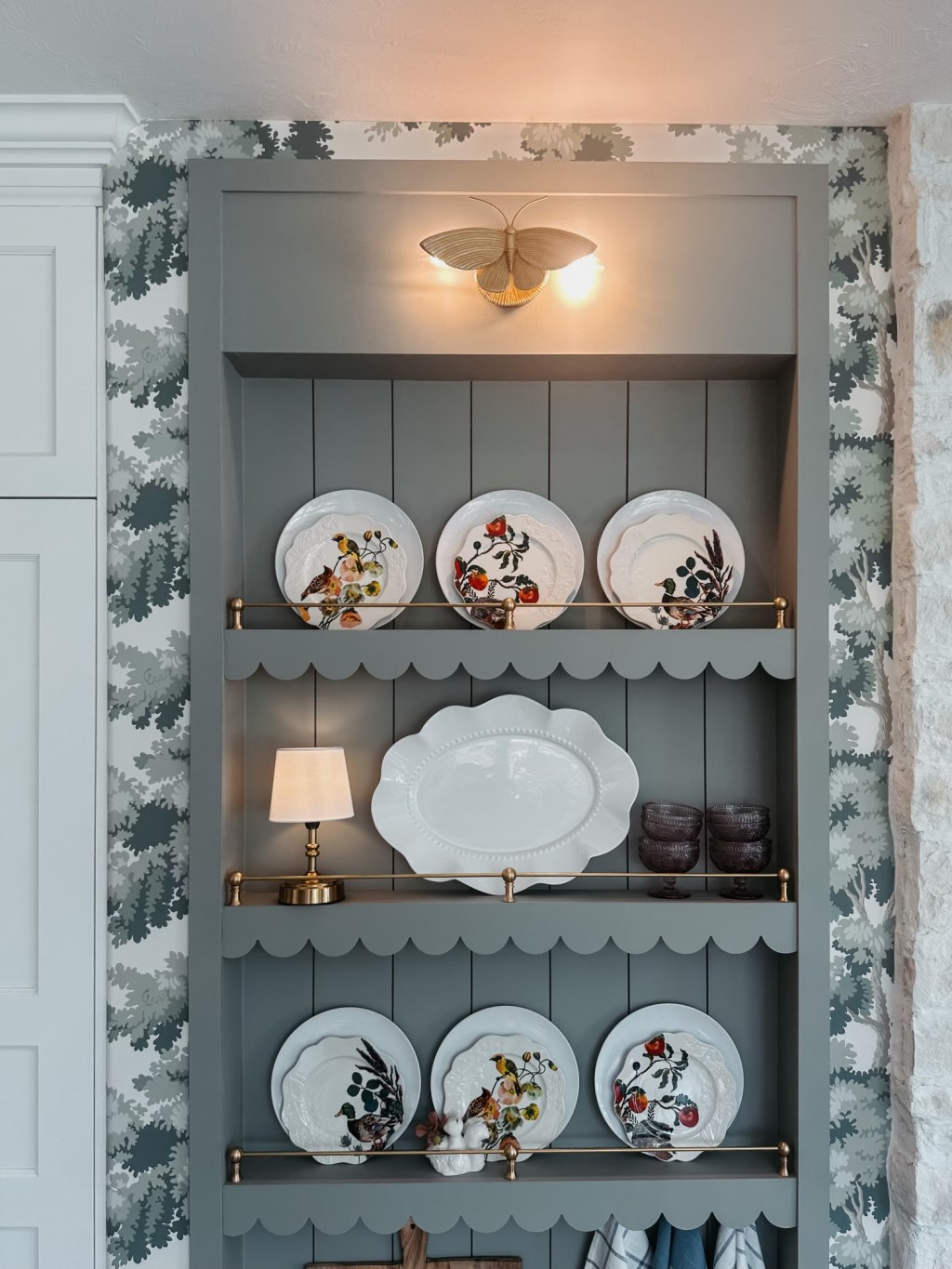
When it comes to wallpaper, choosing the right type for your home can be a game changer, especially when it comes to installation. Wallpaper has made a comeback in recent years, and whether you’re adding a mural to a wall or refreshing an entire room, know the differences between pre-pasted, traditional, and peel & stick options will help you make the right decision.
In our home, traditional wallpaper is the go-to. It’s the most popular choice for a reason—versatile, durable, and the perfect option for long-term installations. Let’s dive into each type of wallpaper and what you need to know before tackling your next project.
1. Traditional Wallpaper: The Classic and Most Used
Pasted wallpaper requires a separate wallpaper adhesive that is applied to the back of the wallpaper before hanging. It’s a traditional method that’s often used in professional installations because it provides a long-lasting bond. There are both woven and non-woven pastes. Most wallpapers typically require non-woven. This is where you have to mix it yourself.
Why we love it:
– Durability: Traditional wallpaper holds up well over time, making it a reliable option for high-traffic areas or entire rooms especially in bathrooms or more humid climates.
– Professional Finish: The adhesive provides a solid grip, helping the paper to mold well against walls with minimal bubbling or peeling over time.
Installation Tips:
– Make sure your walls are properly primed and smooth before starting. We use PRO-999 Rx-35® Sealer for best adhesion.
– Use a high-quality wallpaper paste for the best results. Wallpaper companies usually supply you with a recommendation. Use it even if its a little extra money.
– A bit of patience is required with this method, as smoothing out the wallpaper can take time, but the results are well worth it.
In our experience, traditional wallpaper is the best choice for our home due to its professional look, expense and staying power.
2. Pre-pasted Wallpaper: The Least Messy Option
If you’re looking for a quicker and less messy installation process, preipasted wallpaper might be your best friend. The adhesive is already on the back of the wallpaper, so all you need to do is activate it by wetting the paper with water.
Why it’s great:
– No additional paste: There’s no need to fuss with wallpaper paste or worry about dripping glue.
– Easy cleanup: Because you don’t need paste, there’s less mess overall. You’ll just need water and maybe a sponge to smooth things out then a towel to dry it.
Installation Tips:
– Wet the back of the wallpaper with water evenly to activate the adhesive.
– Wet Fold the wallpaper over so you have more time to work with it. This also avoids any sticky messes from stray wallpaper touching the wall when putting it on the wall.
– Be sure to work quickly to prevent the adhesive from drying out.
– Pre-pasted wallpaper can be repositioned more easily than pasted wallpaper, making it a good choice for DIY projects if its your first time.
Pre-pasted wallpaper offers a cleaner, more convenient installation, making it perfect for those who want to avoid the mess but still want a polished look.
3. Peel & Stick Wallpaper: The Hardest to Install
Peel & stick wallpaper has gained popularity thanks to its promise of easy removal, making it perfect for renters or temporary design changes. However, when it comes to installation, this type of wallpaper can be surprisingly tricky. I like to tape the seams before applying the wallpaper.
Why it’s challenging:
– Precision is key: Since the adhesive is already on the back and sticky from the start, you need to be precise when positioning it on the wall. There’s little room for error, and repositioning can be difficult without stretching or damaging the wallpaper. There is an “easy hang” product on the market which allows you to reposition similar to traditional wallpaper.
– Harder to smooth out: Air bubbles and wrinkles are more likely to form with peel & stick wallpaper, and getting them out can take some work.
– Not as durable: While it’s removable, peel & stick wallpaper doesn’t adhere as firmly as traditional pasted options, so it may not last as long.
Installation Tips:
– Apply the wallpaper slowly from top to bottom, peeling off the backing bit by bit to avoid air bubbles. I use painters tape to line up the wallpaper.
– Use a smoothing tool to press the wallpaper firmly against the wall as you go.
– For best results, apply peel & stick wallpaper to smooth, clean, and primed surfaces.
Despite its popularity, peel & stick wallpaper can be the most difficult to work with, especially if you’re looking for a seamless finish. In most cases the wallpaper seams overlap.
Final Thoughts
Each type of wallpaper—pre-pasted, traditional, and peel & stick—has its pros and cons. For us, traditional wallpaper remains the best choice for its durability and professional appearance, though it requires more effort upfront. Pre-pasted wallpaper is ideal for those looking to minimize mess and hassle, while peel & stick wallpaper works well for temporary projects but demands extra precision.
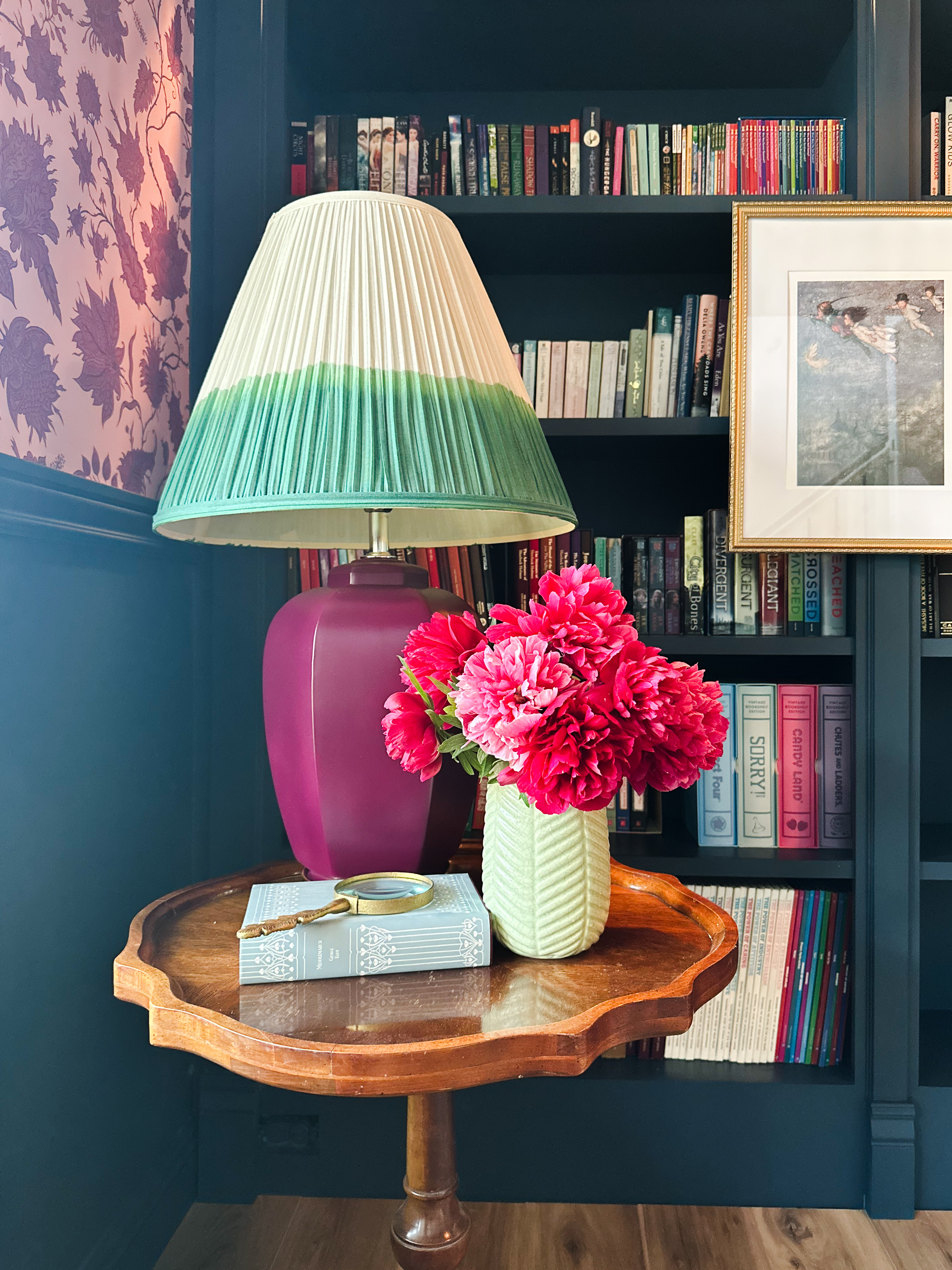
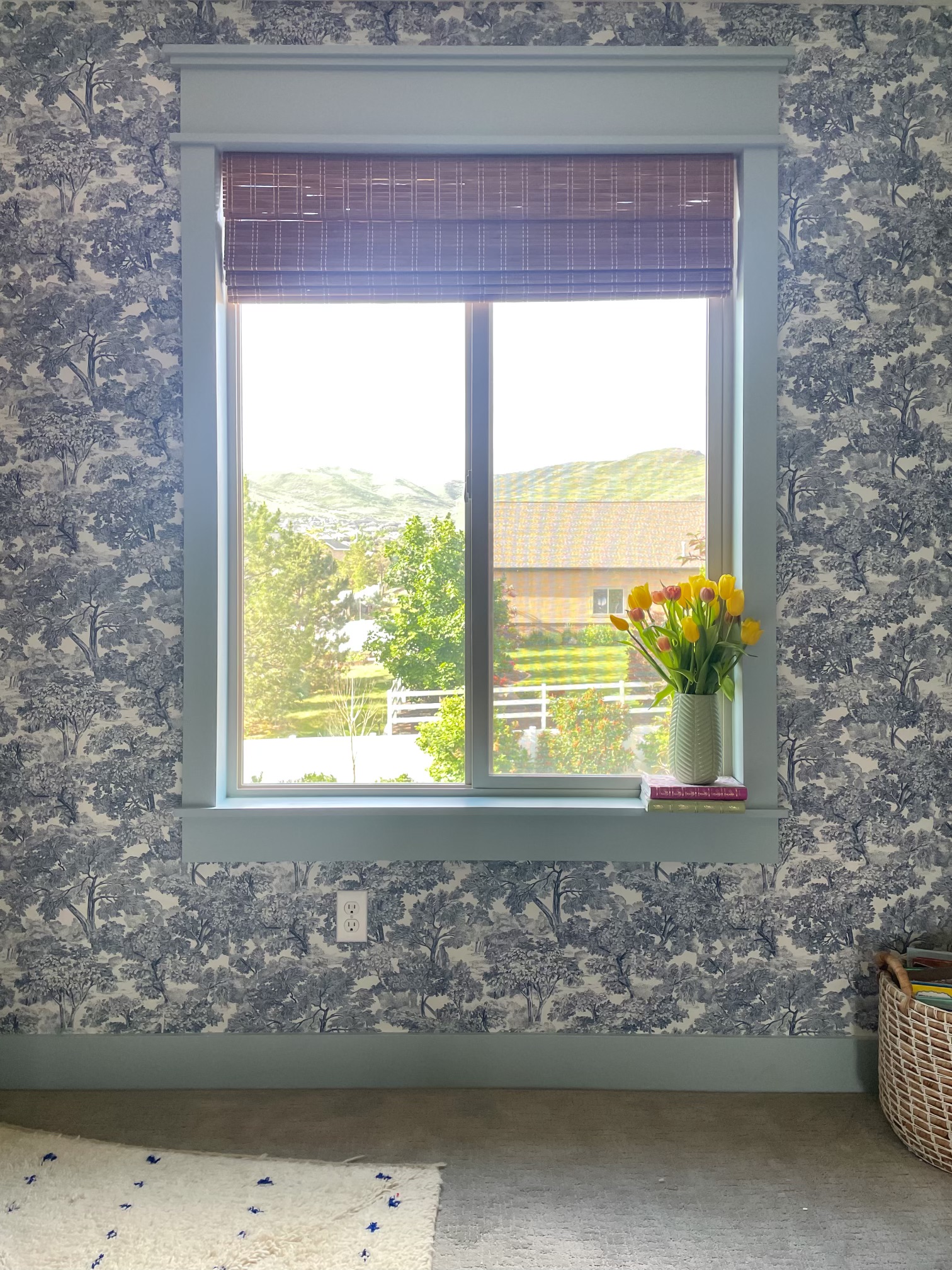
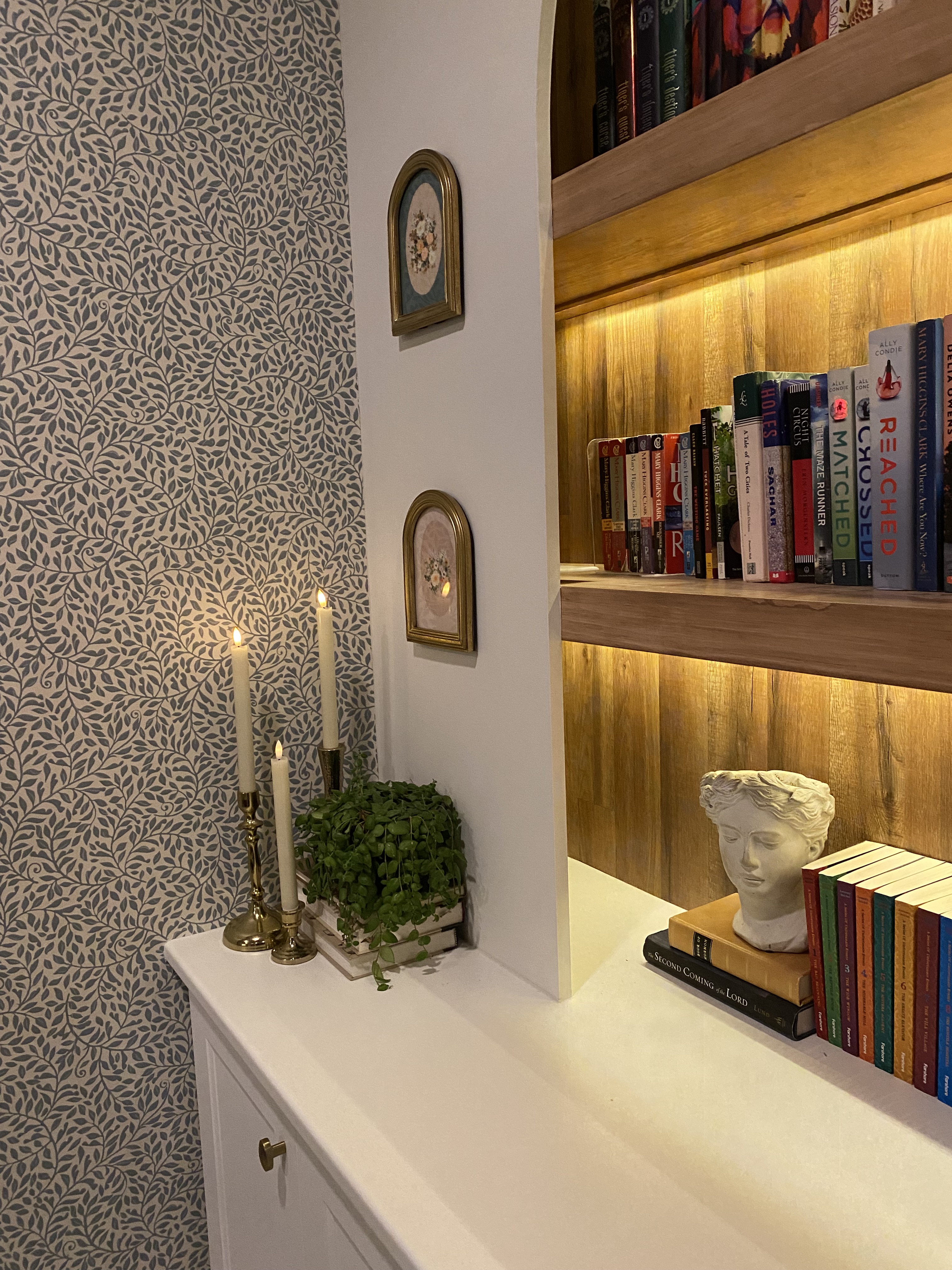
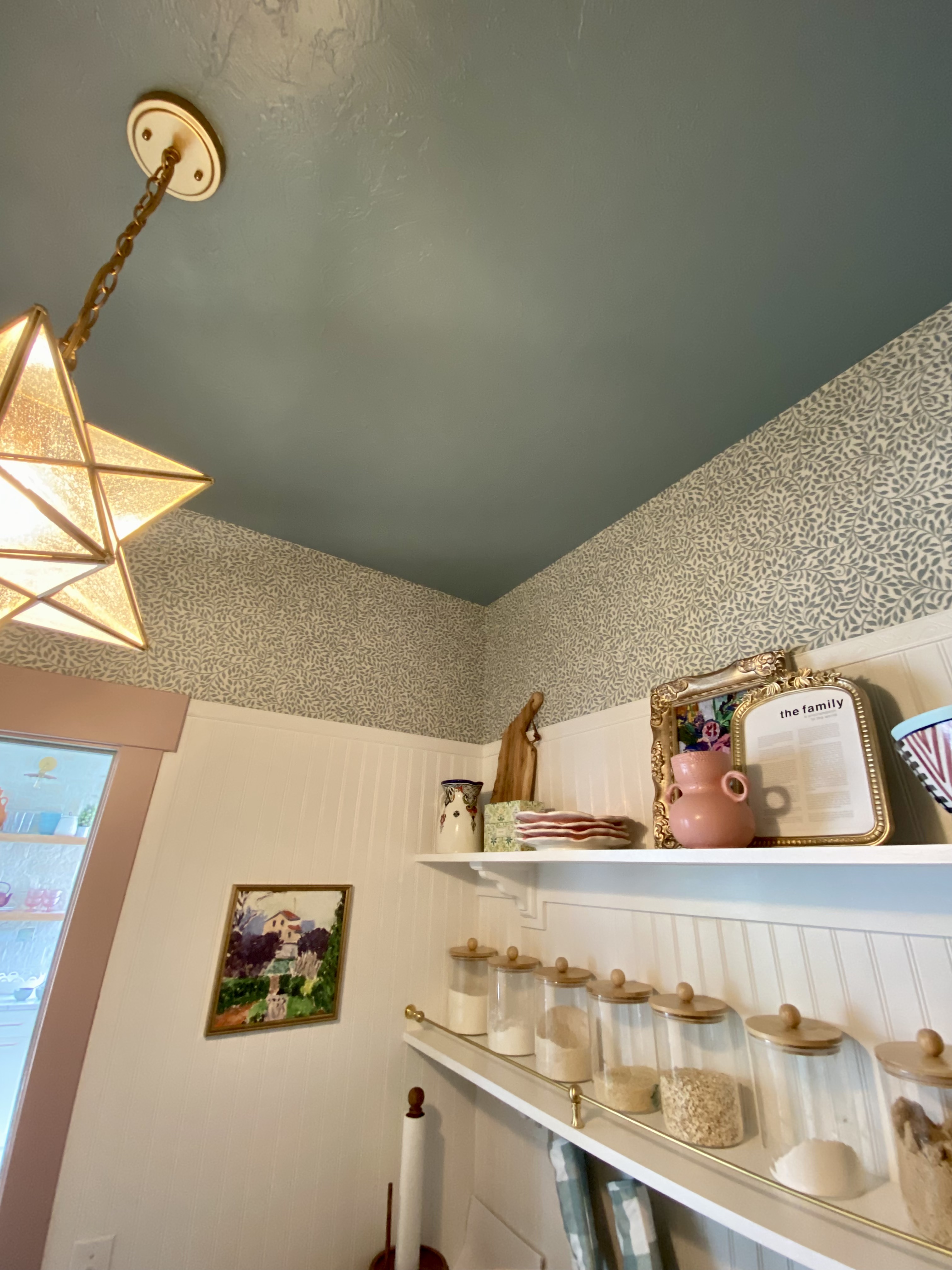
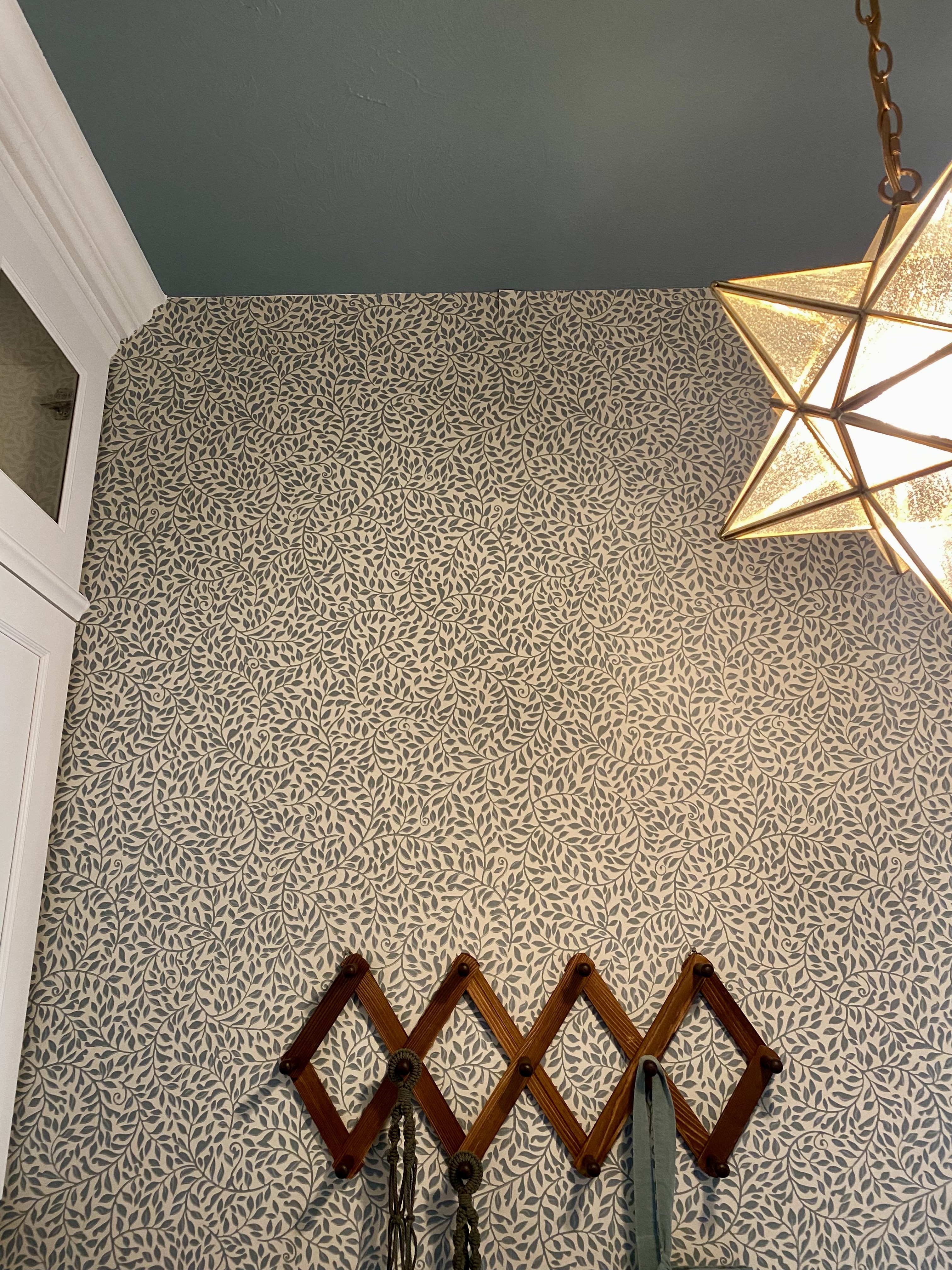
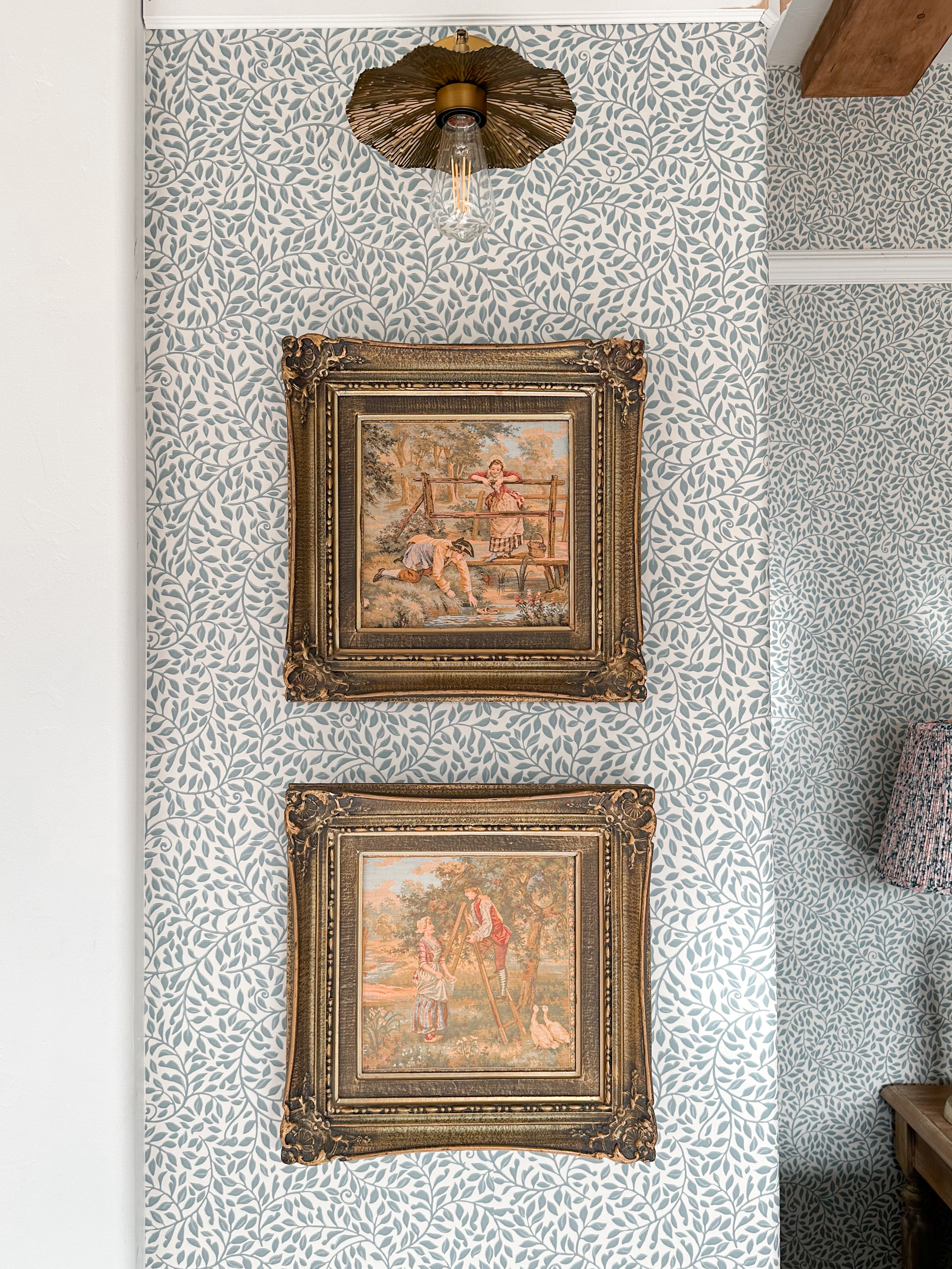
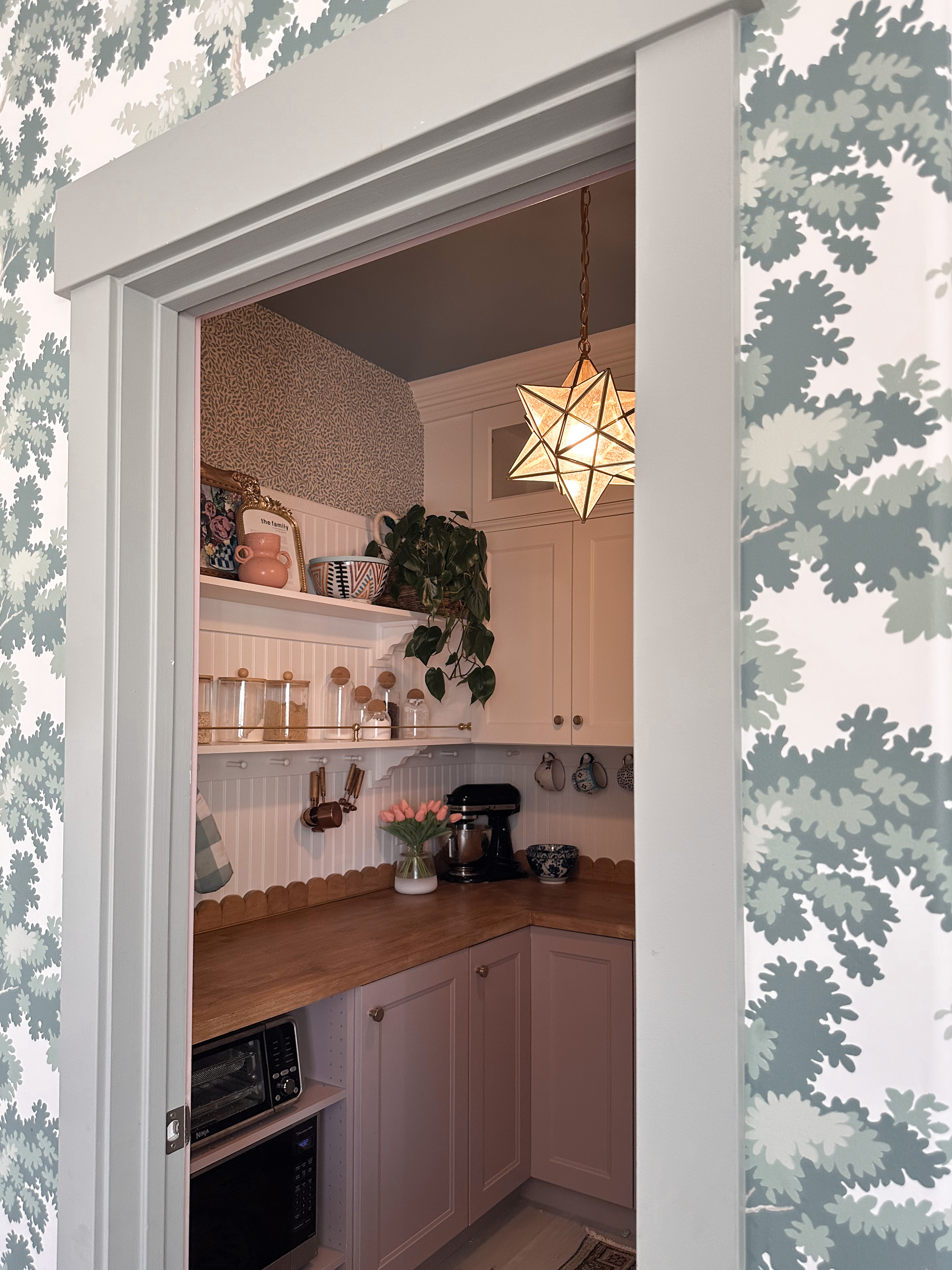
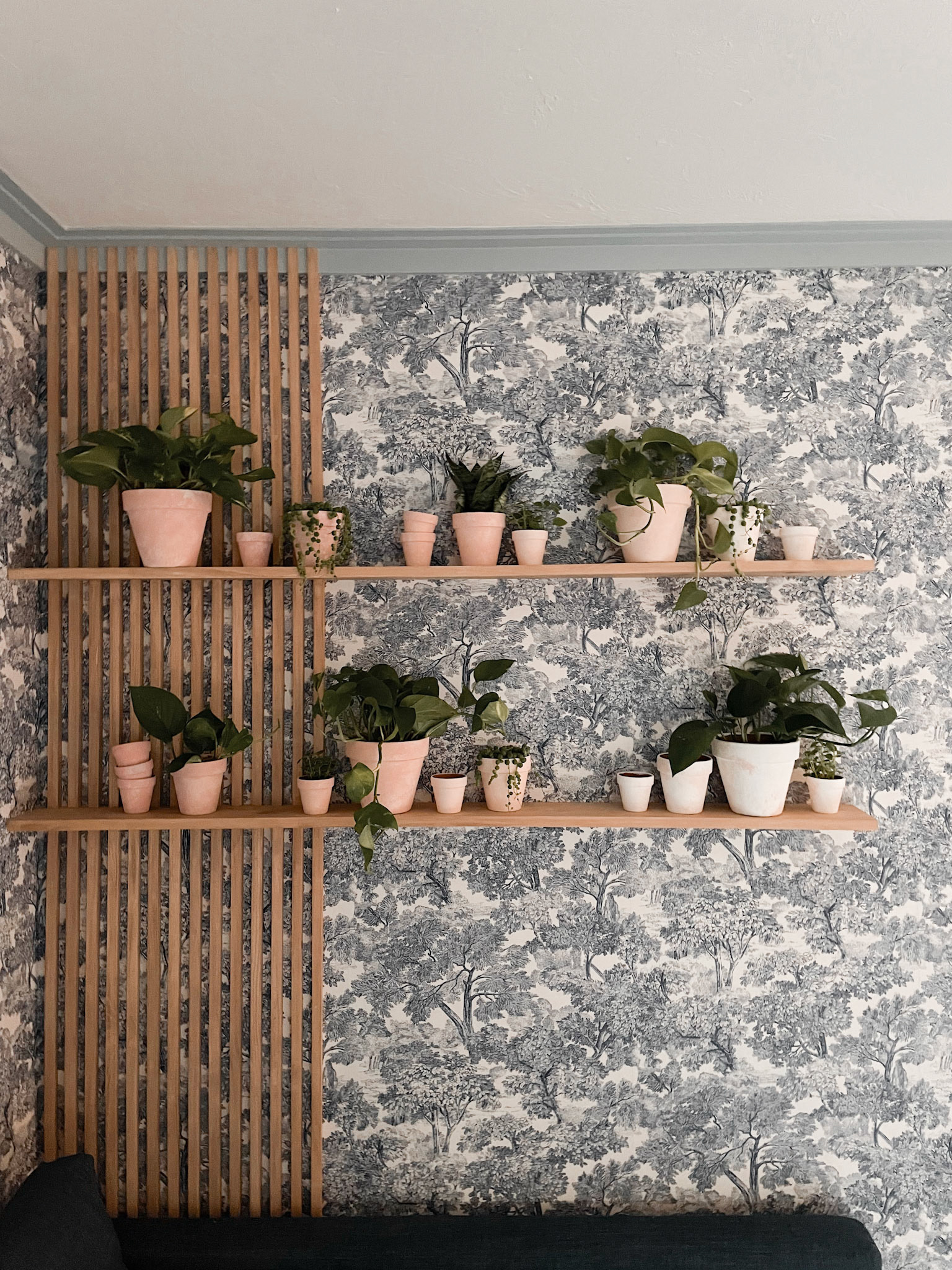
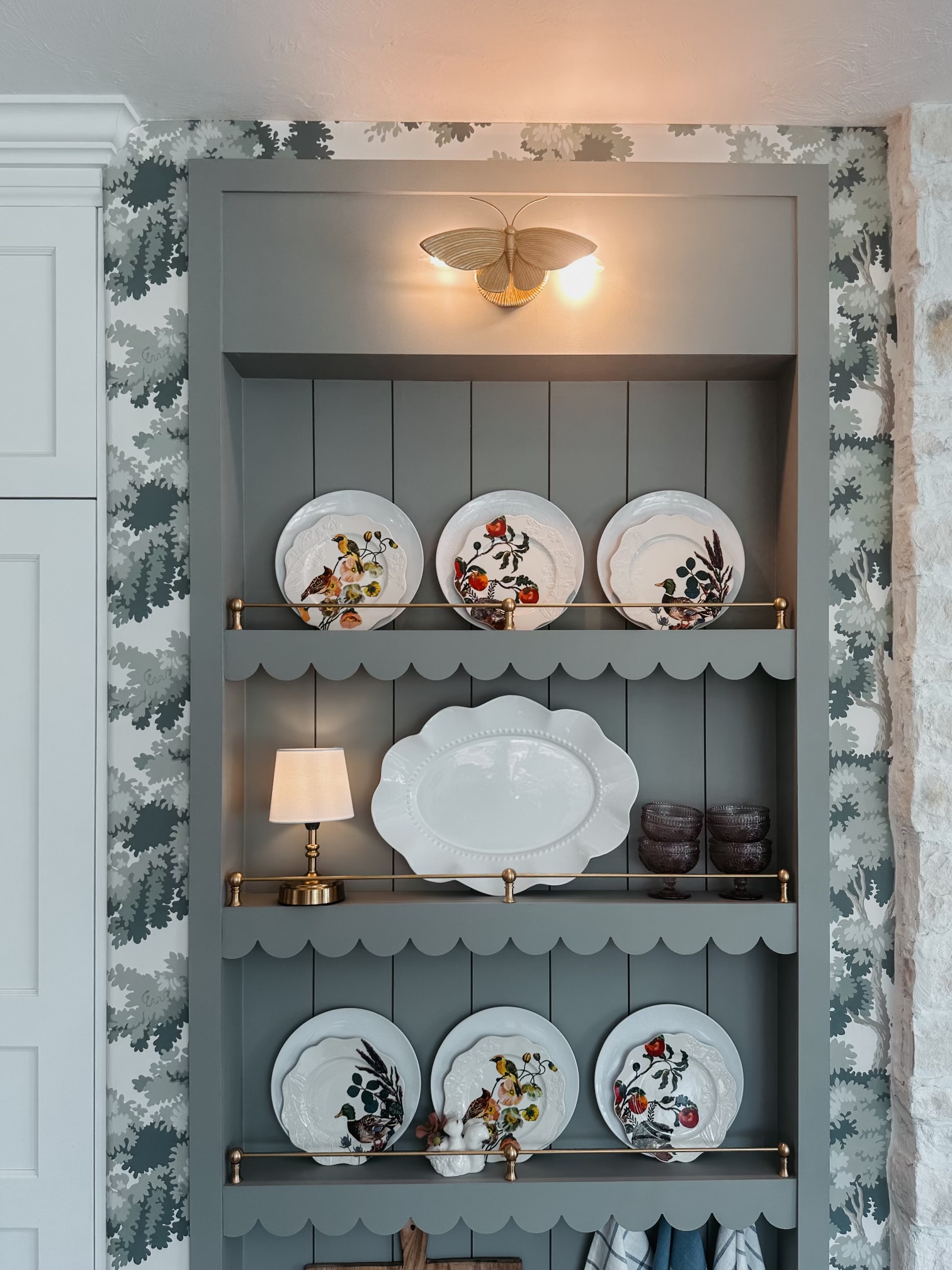
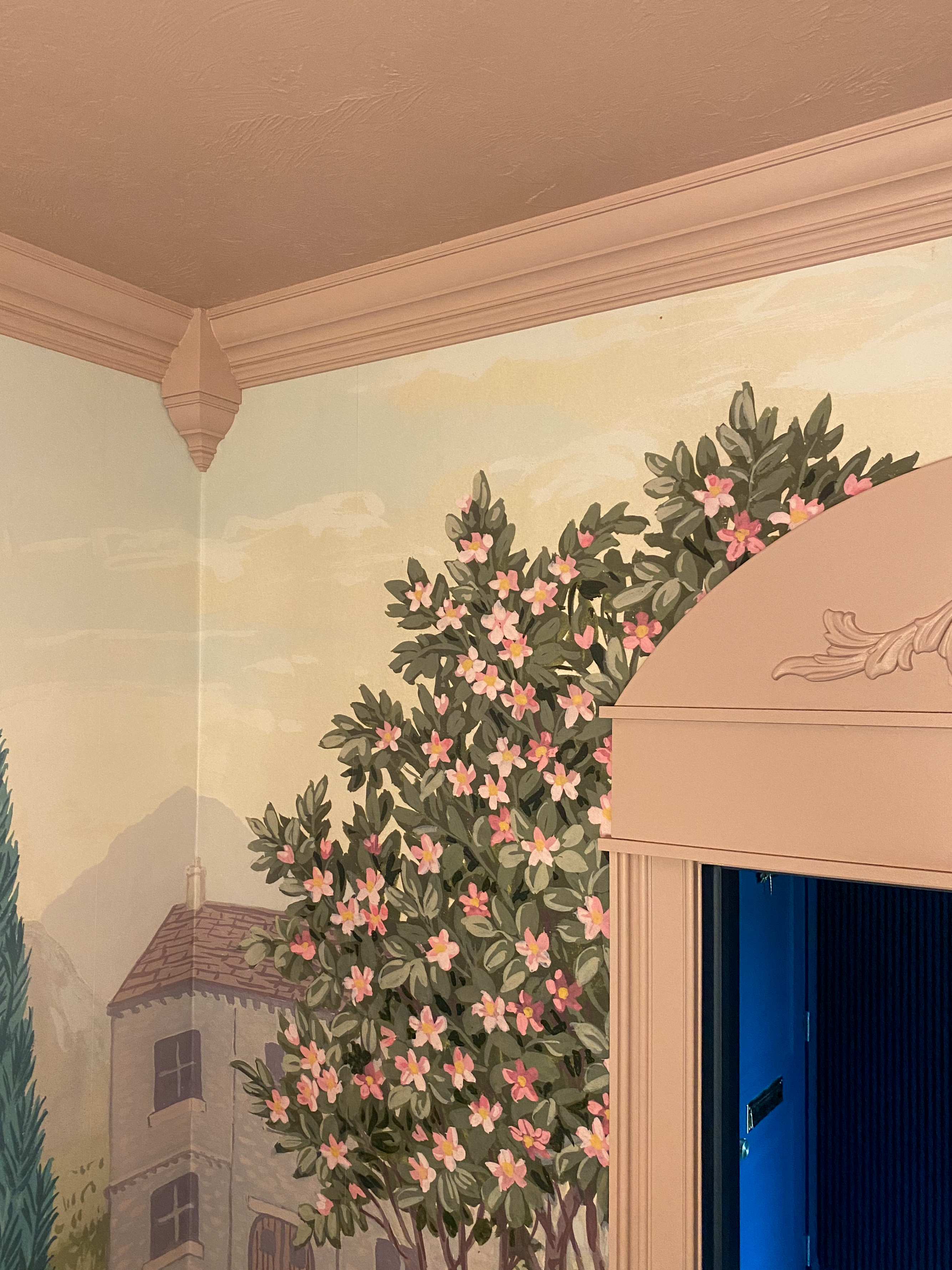
Whichever type you choose, a little preparation and patience go a long way in achieving the perfect look for your space. Check out some of the wallpaper of our home!

 Home With Q
Leave a comment